Content is king – especially if it’s good content.
Article marketing is one of the best ways in which a firm can attract traffic to its website, an expert has claimed. A great article can have many lives, circulating across platforms and generating traffic for months, or even years, to come.
But what does it really take to write an article for a blog that not only drives organic visitors but expands your reach across multiple channels?
We’re going to dig into the masterful art form of article marketing – from topic ideation to writing content, to setting up a viral-worthy sharing plan.
Article marketing has gotten a bad reputation and has been abused by some people. And yet it‘s still a viable content strategy when done correctly. That’s why we’re focusing.
What Is Article Marketing?

Article marketing is an area of content marketing that involves writing and distributing articles across a variety of outlets.
These articles are usually written to promote the author‘s business or website by creating links, building authority, and gaining visibility.
How Article Marketing Helps SEO
Content marketing involves creating valuable, informative content for people to consume online.
When people search for a specific topic (usually within Google), they’ve taken to the most relevant websites and blogs related to that topic.
This means that website operators can publish their own articles, optimize them for search engines, and get ranked in Google Search for a range of topics.
Optimize your content for the right keywords and you can drive hundreds to thousands of users to your site with your articles.
SEO Benefits Of Article Marketing

Article marketing offers many SEO benefits, including:
- Improving your website’s ability to rank for a wider variety of keywords.
- Increasing the authority and trustworthiness of your website.
- Attracting more organic traffic from search engines.
- Converting users into subscribers or customers.
- Providing opportunities to rank in image or video searches.
- Directing authority to other pages on your site via internal links.
- Get valuable backlinks to your site from other websites.
Can Article Marketing Work On Other Channels?
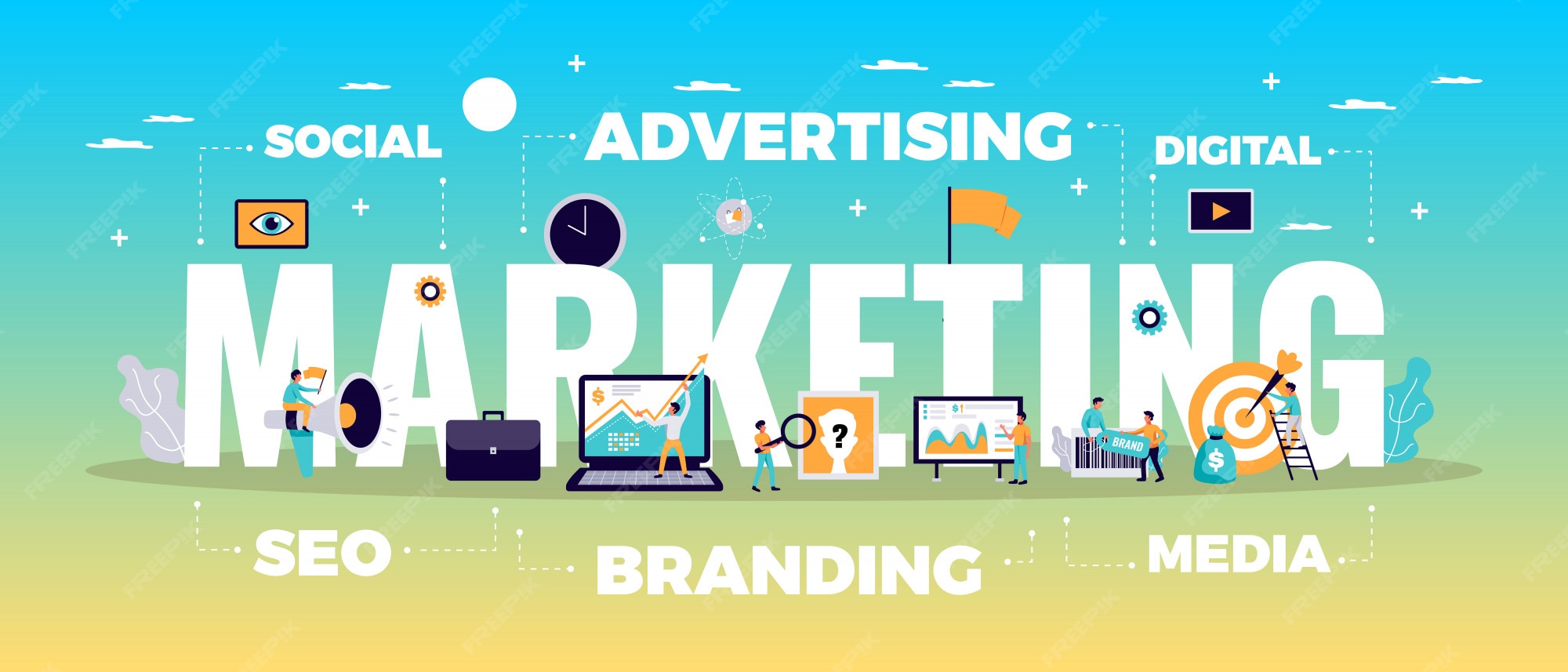
Article marketing isn’t just an SEO strategy. It can also help you generate traffic through a wide variety of social, direct, and referral channels.
For example, with content marketing, you can drive traffic through:
- Facebook.
- Twitter.
- LinkedIn.
- YouTube.
- Other blogs.
- Email campaigns.
- Paid campaigns.
The best social media platform is the platform where your audience hangs out. 51. Retarget Visitors With Facebook Ads Don’t forget you can also use Facebook retargeting ads Ad retargeting is the process in which you target ads to users who have previously been on your website or social media platform but haven’t converted.
However, most social media platforms limit your reach, and you can only share some of your content. There are so many social networking sites out there, but most people spend their time on just a few top ones like Facebook and Twitter. The output of this task is a list of paraphrases generated by the system. We suggest that you spend less time on Facebook and Twitter and more time on other social media sites.
Writing guest posts is when you write a post for a site other than your own. Finding suitable websites that would be interested in publishing your guest posts is one of the biggest challenges with writing guest blogs.
Benefits Of Multi-Channel Article Marketing

Multi-channel approaches to your article marketing are the best ways to get the most ‘bang for your buck.
If you are going to put time (or money) into creating content, why not use it to attract visitors from a variety of platforms?
With this in mind, here are a few benefits of article marketing on other platforms:
- You can increase user interactions on social media platforms like Twitter and Facebook by using these tips.
- You can generate organic visitors to your site and referral visits from a variety of sources, including social media.
- You can re-share your articles.
- You get multiple opportunities to convert visitors into subscribers or paying customers.
- Video marketing is now part of your content strategy because audiences want video content.
- If you use Google Adwords for search engine marketing, you can bid on keywords so that your ads appear first when people search for them.
- Ranking high in search results is what SEO is all about, but Google Ads will still show first.
How To Write, Publish And Share Great Article Content
Article marketing is made easier when you establish a go‑to process that fits your needs and the people you’re trying to reach.
ADVERTISEMENT
Here’s an overview of the process for building a website.
1. Choose Your Topic
Brainstorm a list of broad topics that may be interesting to your audience. Whether you’re a blogger, a business person, a marketer, etc., you’re likely sitting on a treasure trove of ideas if you just give yourself a chance to think.
For example, if your target market is freelance graphic designers, then you can assume that they’re interested in all things related to digital design.
They may want to know:
- Which are the best tools for graphic design?
- How to design a logo.
- What are the best fonts for business flyers?
- How much does graphic design cost?
- What are the greatest designs of this year?
Think of as many different topics related to your business and the people you hope to reach.
Next, you can move on step two, which involves narrowing down the ideas by using keyword research.
Answer the Public is an excellent tool for generating article topics. You can use it to generate article topics for any type of content.
2. Conduct Keyword Research

Finding interesting article topics is great. But mapping them to searchable keywords is even better. After all, what’s the point in writing an article if nobody is interested in reading it?
Keyword research tools such as Semrush allow you to search for a range of broad topics and see how many people search for that topic every month.
This search volume is an indicator of whether it’d be worthwhile to write the article.
Another thing to consider is competition level; if there are lots of competitors, then you might find a low-volume keyword, but there aren’t enough people searching for it for your small site.
In that case, it’s best to aim for a less competitive topic and then go after more competitor keywords over time.
3. Draft Your Article
Writing your article may well be the best or most difficult part, depending on your experience.
If you want to ensure your content is well-written and optimized for search engines, one option is to hire an experienced SEO writer. However, you can definitely write your own content.
You just need to enter a keyword, a competitor’s blog/website URL, or your own URL to get more keyword ideas. Add notes, keyword suggestions, and outlines to your Google Calendar.
If you’re going to write your own articles, we highly recommend using the inverted pyramid method of SEO copywriting, which makes it easier than ever to write an article from start to end.
This method will help you lead with value and write content users really enjoy reading.
4. Optimize Your Content
After that, you’ll need to optimize your content for on-page SEO best practices, including using keywords and meta tags.
This involves:
- Write a click-worthy, keywords-optimized title tag for each page.
- Including a descriptive meta-description.
- Adding an interesting H1 headline.
- Including concise H2s and H3s.
- Writing valuable body content.
- Adding internal and external links.
- Optimizing your URL structure.
If you tick all of the boxes when it comes to on-page SEO, then you’re setting yourself up for success. This makes it easier to rank high and drive traffic from Google searches.
5. Add Media

Once you have the bulk of the article content, it’s time to get creative.
You can now add media to your articles, add value to them, and improve your chances of ranking in image or video searches.
Some media types to consider adding to your article include:
- Pre-recorded videos.
- Original photography.
- Stock images.
- Gifs.
- Graphic designs.
- PDFs.
- Surveys.
- Digital tools.
- Infographics.
6. Establish A Sharing Strategy
Before you publish your article, consider all the channels you can use to share it so you can maximize its reach.
Actually, many CMS platforms make this easy, by including social share icons when you publish an article.
Similarly, there are third-party tools like Buffer that allow you to share your article to Facebook, Twitter, and beyond automatically.
Whether you go for an auto or manual approach, be sure to share the article widely to reach as many users and readers as possible.
7. Include Linkable Assets
Backlinks are one of the most important pillars of SEO. Backlinks help search engines trust your site as a reputable resource for information.
Adding what’s known as “linkable assets,” such as images, videos, infographics, and charts, to your articles can help attract links back from other websites. Some examples of linkable assets include videos, infographics; free tools, resources, images, and more.
8. Get (Re)Published!
It’s one thing to write your own content, but it’s another to get it published on other websites. You may need to “pitch your content” to other publishers in order for them to share it.
Another option is to contact industry websites directly and ask them for guest posting opportunities. If they bite, you can use it as an opportunity to promote your own content and direct link to your site.
Finally, social blogging sites like Medium.com allow you to publish content for free and link to your own site.
With these platforms, you can generate more visibility for your articles, even going as far as to promote them at no cost.
9. Interact, Engage, And Follow Up
After you’ve published an article online, what do you do next?
Rather than waiting for traffic to trickle into your website, you can double down your marketing efforts by engaging users as they engage with your content.
This can look like a list of items:
- Responding to comments on Facebook.
- Replying to your blog post comments.
- Liking and commenting on re-shares on Twitter.
- Retargeting readers with Facebook Ads.
- Follow up with new subscribers to your email list.
- Respond to people who reply to your email campaigns.
The important thing is to not let your article disappear into the abyss.
You can re-share your content over and over, giving your article new life. That way, you can drive traffic for months or even years into the future.
Get Creative With Article Marketing
Is article marketing part of your content strategy?
It should be!
Every blog post is a chance to attract new readers, subscribers, and customers across a wide variety of platforms. Don’t let your blog go to waste!
Here’s another pro tip: Add topics that your audience wants to hear about to your list of topics for future posts. You can start a running list of article ideas to tap into in order to keep the traffic flowing.
If you’re looking for influence, here are My Blog Poster articles that may help.